

Seam Finishes on Cushions and Pillows
What is a Seam Finish?
Anywhere two pieces of fabric are sewn together is a seam. There are all sorts of things you can do to embellish the seam on cushions and pillows.
Knife Edge
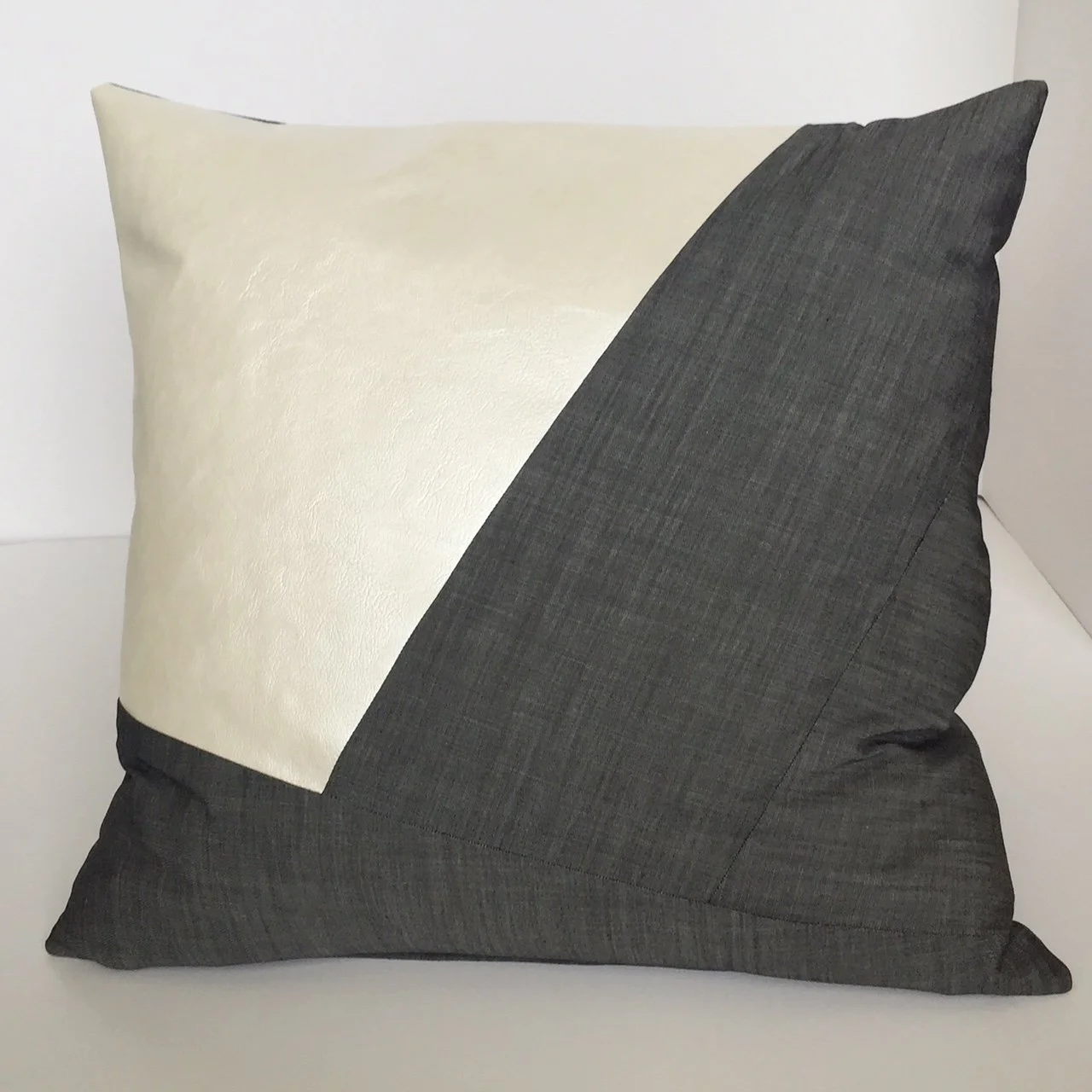
Plain Jane
If you don’t put anything in the seam, it is referred to as “knife edge.” Of course this is the least laborious finish and therefore, least expensive option. It is also the weakest seam finish since it only has one layer of stitching.
Welt, Cord, or Piping

Welt Cord
The small fabric covered tube that goes into a seam can be referred to as welt, cord, or piping.
The most common size of welt cord is 5/32”, but it can also be a micro-cord, which is very skinny, or a jumbo cord, which can be an inch thick.
The cord is covered in fabric and sewn to the face of the project. When the same fabric as the face fabric is used, it is referred to as self welt. Contrast welt means that it is covered in a fabric that contrasts or compliments the face fabric.
Something to consider is that welt fabric is cut at an angle so it can go around the corners smoothly. That means if the welt strips are cut from a striped fabric, the welt will look like a diagonal stripe once it’s applied.
There are also pre-made welts. These welts are attached to a lip which will be hidden in the seam allowance. The only part that will be seen will be the fabric covered tube. Honestly, I’m not a fan of pre-made welts. You can get the same look with a fabric and it will likely be less expensive in the end.
Flanges
The flange is the option that can really make a pillow unique. There are a wide array of flanges, especially when it comes to pillows.

Flat Self Flange

Flat Flange with Pleated Corner
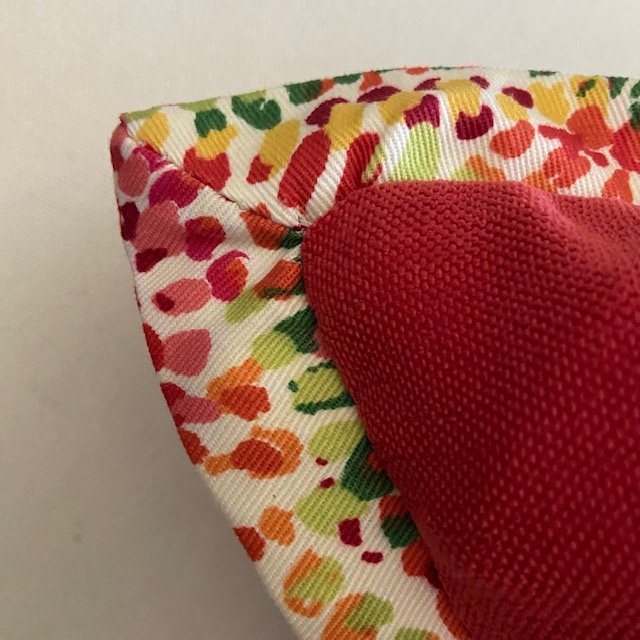
Flat Contrast MItered Frame Flange
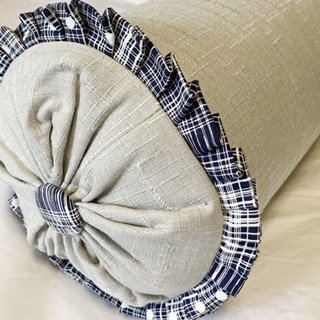
Knife Pleat Flange

Flat Flange with Butterfly Pleat Corner
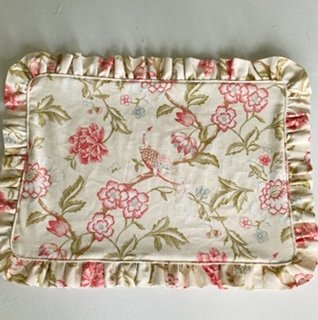
Ruffle Flange with Microcord
Flanges are a flat flap of fabric that runs along the seam. It can be very small or an inch or more wide. Usually I go with 3/4”. It can be kept flat with pleats at the corners, or it can be gathered to make a ruffle. A flange can also be pleated, creating a high-end, modern looking finish. You can further accentuate the flange by adding a microcord between the face and the flange.
Top Stitching
Top stitching takes a lot of time and precision, but can be a beautiful finish. The seam allowance of is folded to one side of the project and sewn down to the face or the seam allowance is opened, backed with a piece of fabric, and stitched along both faces of fabrics it connects.
Decorative Trim
Aside from those sewn finishes, there are endless options when it comes to dressing up a seam with trim.
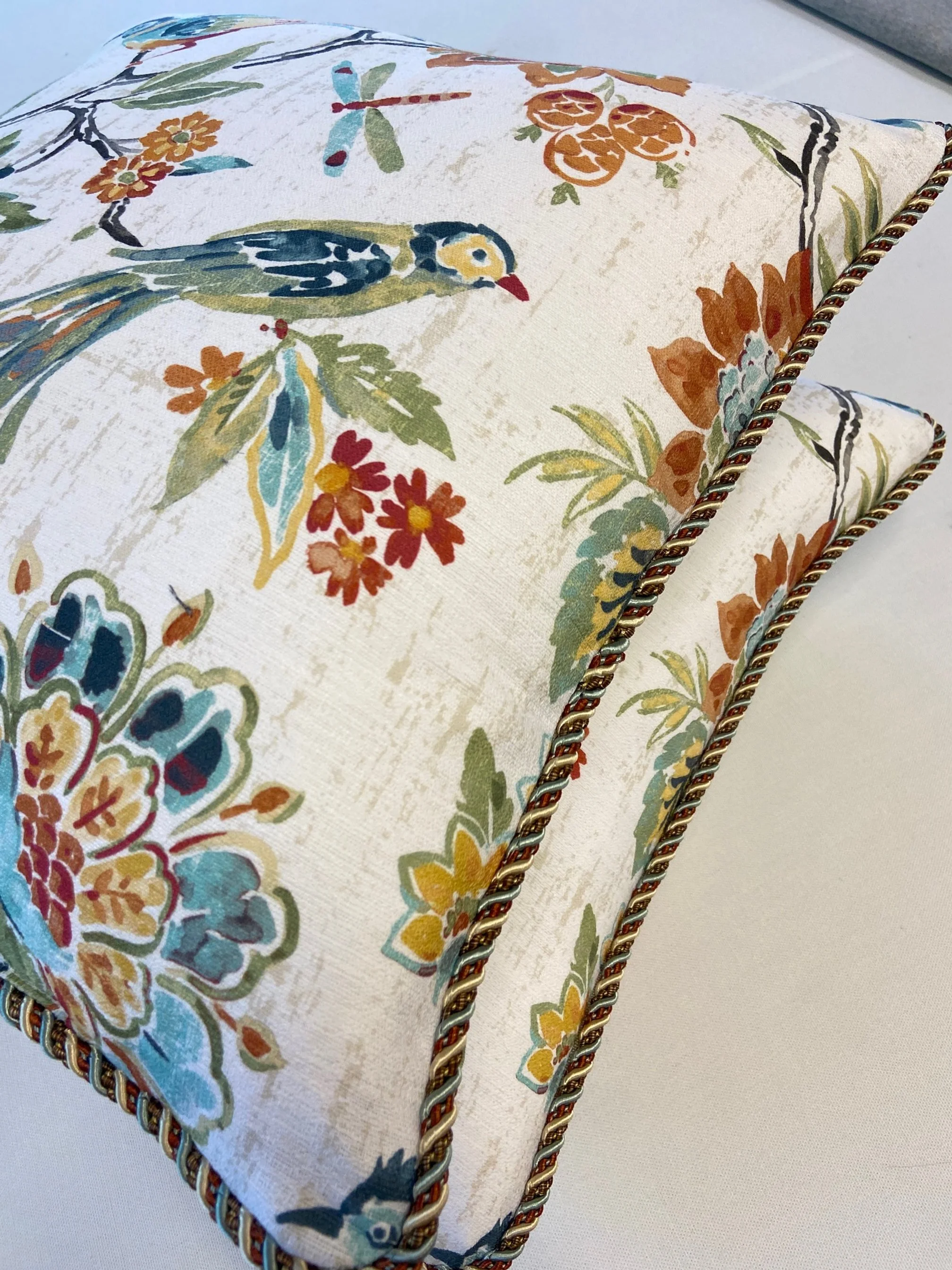
Rope trim

Lap zipper on back of pillow with brush trim
Brush trim is fluffy once it’s finished. There are also rope trims, pom-poms, fringe, scalloped trims, lace … The options are nearly endless. Often when a decorative trim is used, the zipper of the pillow needs to move to the backside, meaning that there will be only one side that is the true “front.” I always pattern match the fabric if at all possible when putting a zipper on the back of a pillow to hide it as much as possible.
FAQ
What is knife edge on a pillow or cushion? This is a plain seam that has no added detail. The two pieces of face fabric are just sewn together.
What is cord? Also called piping or welt, this is the seam finish that is a little, round, fabric-covered tube that goes around the seam.
What can I use to dress up a seam in a cushion or a pillow? Welt cord is a great start, but there are also endless options of trims, decorative top stitching, and flanges.
Making a piece truly custom is why you spend more than if you just buy a pillow off a shelf at a big box store. Cozy Giraffe is hear to help you seek out all the fun options that are available to make your piece truly one-of-a-kind.
Until next time,